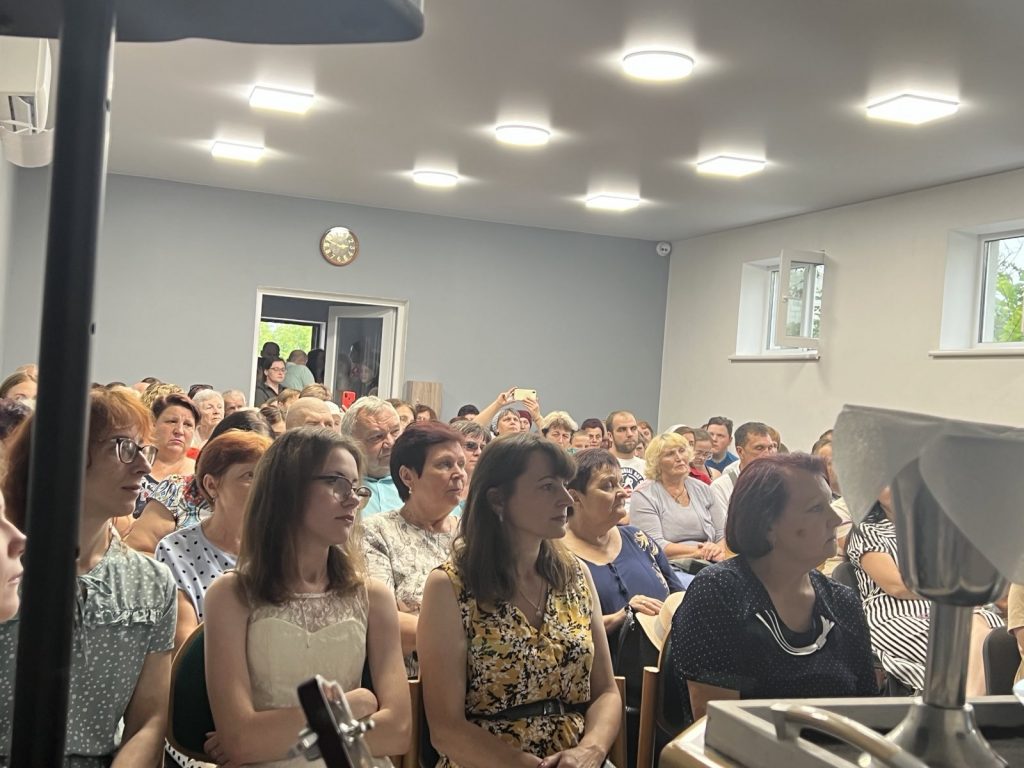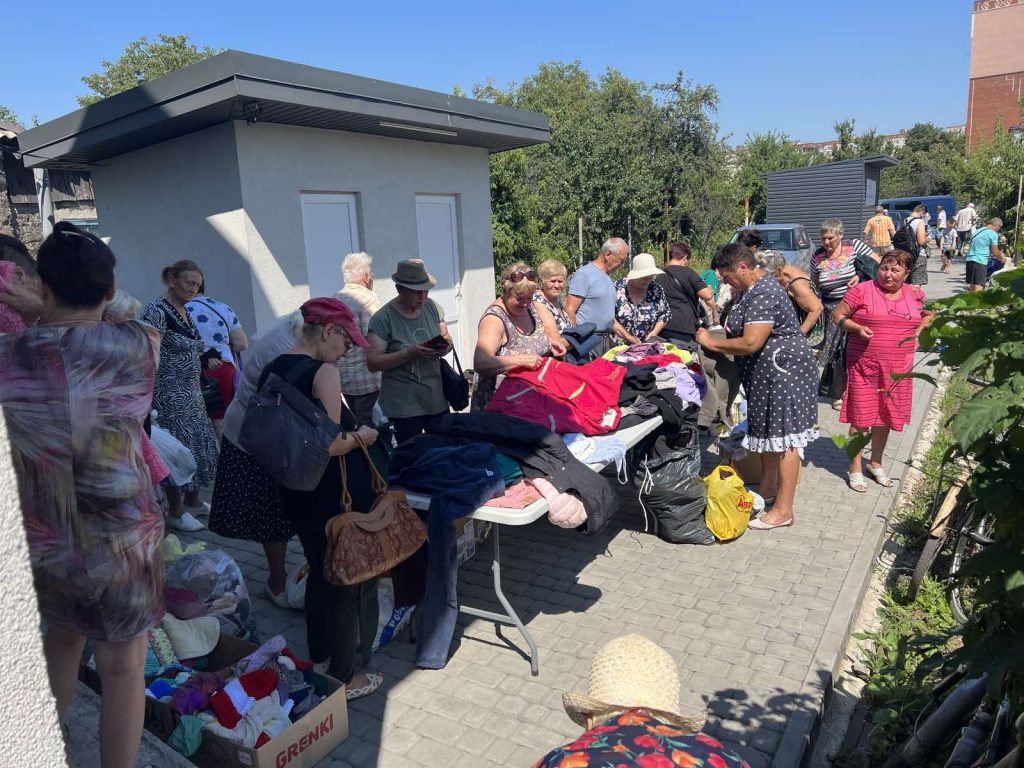
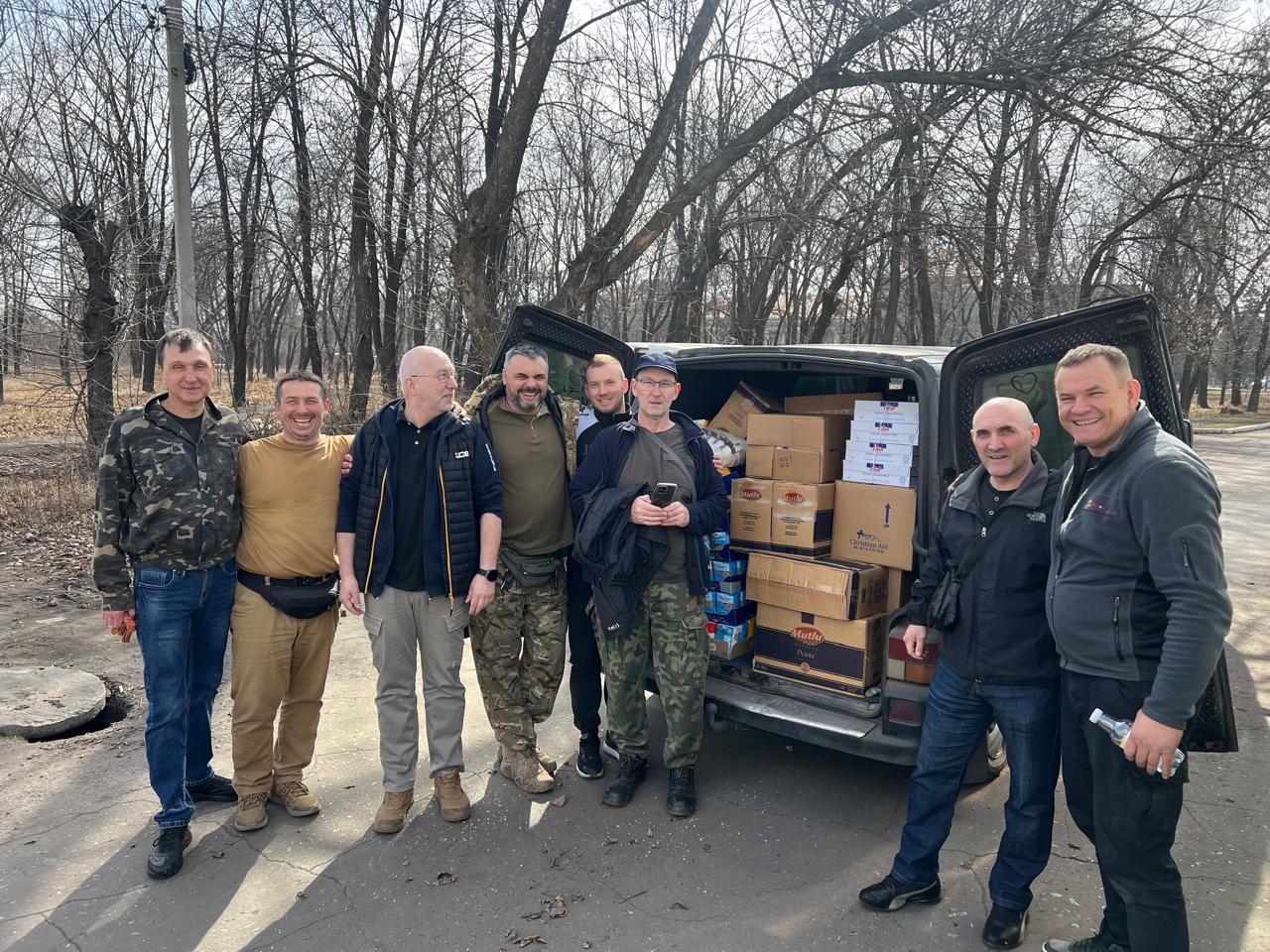
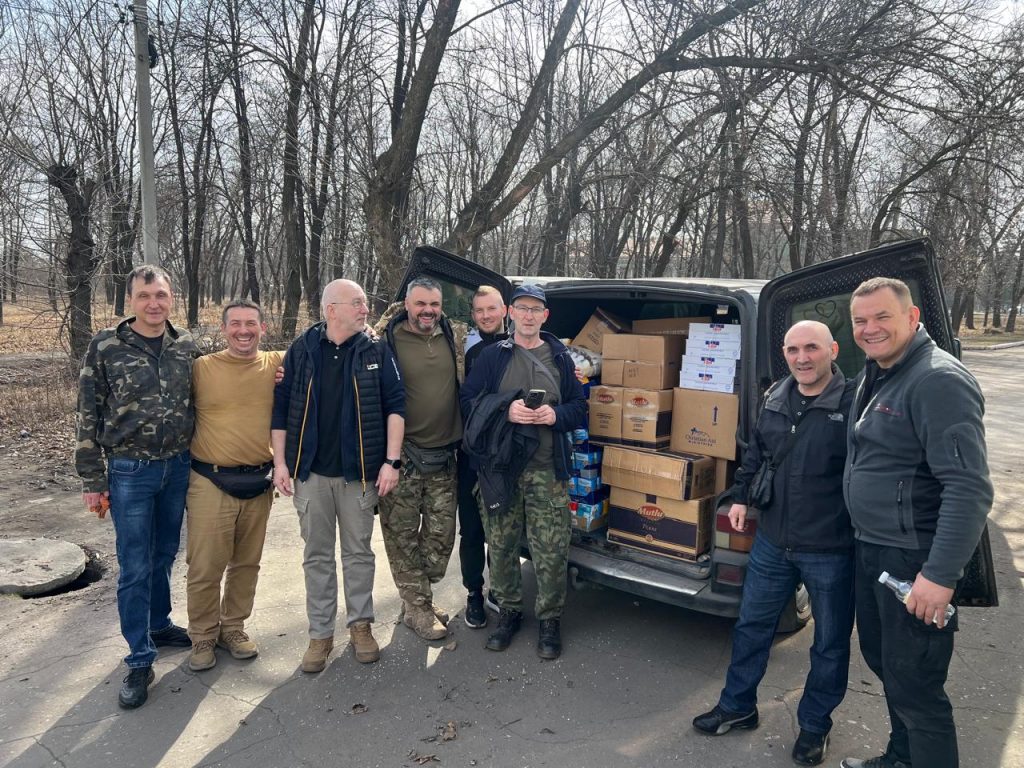
When the full-scale invasion began, our partner and military chaplain, Vasily, spent months driving into some of the most dangerous areas of eastern Ukraine, evacuating families under fire and delivering aid to frontline communities. His son has now taken on much of that work, and so Vasily has turned his energy towards building a community in Novovolinsk.
Vasily regularly takes former soldiers to a rehabilitation centre near Kyiv, spending time with them and volunteering there as he is able. Many of these men and women carry physical injuries and deep psychological scars. The transition from the frontline to civilian life is rarely straightforward, and too often veterans feel forgotten once they leave active service. Vasily’s presence – driving them, listening, praying, offering practical encouragement – is one small but vital bridge back into the community.
Vasily has recently been joined in his work by Eric, originally from Odesa. Eric served as a medic in the army and has now settled in the city with his family. His experience on the frontline and his medical background give him particular insight into the struggles faced by returning soldiers and their families. Together, Vasily and Eric share a vision to care for war veterans and those closest to them. They have begun creating a community where:
- former soldiers are treated with respect and understanding;
- families can find support in navigating the complexities of benefits, paperwork, and medical care;
- children adjusting to a parent’s injury or trauma can encounter patience and kindness; and
- prayer, fellowship, and practical help sit side by side.
Healing in a divided society
Since the escalation of the conflict, one of the deep fractures running through Ukrainian society has been the tension between Ukrainian-speaking and Russian-speaking communities. In the early months of the invasion there were reported incidents in which Russian-speaking refugees faced hostility or suspicion, even as they fled the same violence. In many families, relatives live on both sides of the border, and the war has cut through longstanding relationships.
As people have moved across this vast country in search of safety, some towns and cities have experienced sudden overcrowding, strained housing, and pressure on local services. In such circumstances, it is not surprising that resentment and misunderstanding can arise between long-term residents and newly arrived displaced families.
For chaplains and community leaders like Vasily and Eric, this presents a profound challenge. Their calling is not only to provide food parcels and meet practical needs, but also to bring healing to a community of people with different backgrounds, languages, and experiences of the war. They must lead those who feel overwhelmed by change and those who feel they no longer belong anywhere.
If you would like to stand with our military chaplains, please consider supporting them through regular donations via our website (reference: Chaplains).